Dr. Vikram Singh (MBBS, MS, M.Ch.) is one of the leading Brain & Spine Surgeons in India being a veteran in the field of neurosurgery.
Dr. Singh has extensive experience in the field of neurosurgery with Apollo, Vimhans, Holy Family and Moolchand Hospital, New Delhi. Currently he is the chief Brain and Spine surgeon with Indian Spinal Injury Centre, Vasant Kunj, New Delhi. He is also running two clinics dedicated to Neurosciences and Rehabilitation in Lajpat Nagar, New Delhi to provide critical medical care for serious patients in a timely manner.
Having certified in NGO management, Dr. Singh is associated with many social organizations and runs an NGO- Neurocare Foundation for providing affordable and even free treatment to needy and poor patients.
Dr. Singh has expertise in Cranial Surgeries, Spinal Surgeries, Peripheral Nerve Surgeries, Functional Neurosurgery, Deep brain stimulation (DBS), Epilepsy Surgery, Pituitary Surgeries, Vascular Surgeries, Brain Tumor & Skull base Surgeries, Aneurysm Surgeries, Pediatric Neurosurgery
Know More
Craniotomy is surgery involving opening the skull temporarily, allowing an operation to be performed on or around the underlying brain.The main reasons for this surgery are tumors, aneurysms, head injury, and infection.The normal way of performing a craniotomy, or cranial surgery, begins by making an cut through the bone to allow the surgeon to access the brain.
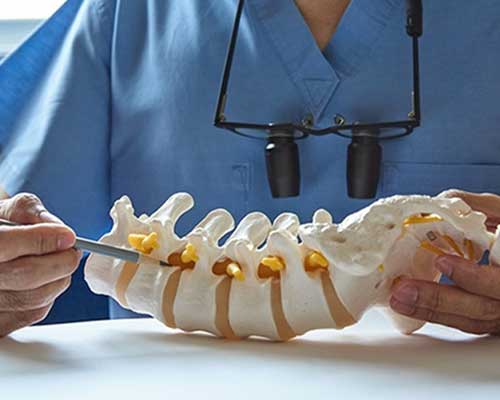
Read MoreSpinal fusion, also known as spondylodesis or spondylosyndesis, is a surgical technique used to join two or more vertebrae. Supplementary bone tissue, either from the patient (autograft) or a donor (allograft), is used in conjunction with the body’s natural bone growth (osteoblastic) processes to fuse the vertebrae.
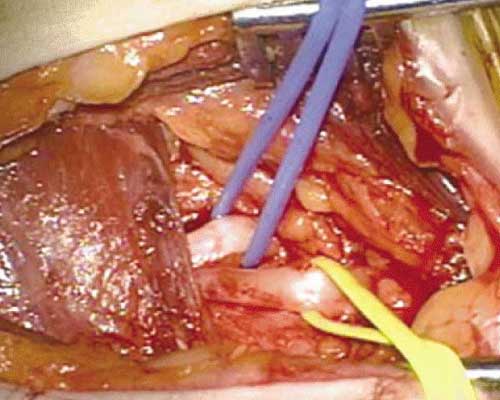
Read MorePeripheral nerve injury assists in prognosis and determination of treatment strategy. Classification of nerve injury was described by Seddon in 1943 and by Sunderland in 1951. The lowest degree of nerve injury in which the nerve remains intact but signaling ability is damaged is called neurapraxia.
Read MoreFunctional neurosurgery is concerned with the treatment of conditions where the central nervous system (brain and spinal cord) physiology (normal function) is altered but the anatomy may or may not be normal. Examples of conditions treated by functional neurosurgery are chronic pain (including cancer pain and failed back surgery syndrome), spasticity, movement disorders (Parkinson’s disease, dystonia, tremor etc), psychiatric conditions and epilepsy etc.
Read MoreDeep brain stimulation (DBS) is a surgical treatment involving the implantation of a medical device called a brain pacemaker, which sends electrical impulses to specific parts of the brain. DBS in select brain regions has provided therapeutic benefits for otherwise treatment-resistant movement and affective disorders such as chronic pain, Parkinson’s disease, tremor and dystonia. Despite the long history of DBS, its underlying principles and mechanisms are still not clear.
Read MoreEpilepsy surgery is an operation on the brain to control seizures and improve the person’s quality of life. There are two main types of epilepsy surgery.Surgery is considered only if the area of the brain where the seizures start, called the seizure focus, can be clearly identified, and if the area to be removed is not responsible for any critical functions, such as language, sensation and movement.
Read More